

Hiking in New England is, in my admittedly biased view, one of the finest ways to discover just how much variety nature can pack into a relatively small corner of the country. Some people swear that the big peaks out West win the beauty contest every time. I’m not here to argue so much as to say: New England hiking is its own kind of magic. The mountains aren’t so tall you can’t reach the summits, the forests have more character than you might expect, and there’s always the reward of an ocean breeze not far away.
When I lace up my boots here, I know the trails will surprise me. One morning I might climb above the clouds in New Hampshire’s Whites, and by dinner I could be strolling a pine-scented coastal path in Maine. The region is manageable yet endlessly varied, and those contrasts make every outing memorable. Whether you’re chasing fitness goals or simply looking for quiet moments outdoors, these hikes deliver a rich sense of place.
Before we wander into the forests and peaks, here’s a quick snapshot of the trails to help you pick your next adventure.
New England Hiking Highlights 2026
Trail | State | Distance (mi) | Difficulty | Best Season | Notable View/Feature |
Franconia Ridge Loop | New Hampshire | 8.6 | Hard | Summer-Early Fall | White Mountain ridgeline panoramas |
Jordan Pond Path | Maine | 3.2 | Easy | Spring-Summer | Reflections of the Bubbles Mountains |
Mount Washington (Tuckerman Ravine) | New Hampshire | 8.2 | Very Hard | Summer | Summit of the highest Northeastern peak |
Mount Mansfield (Sunset Ridge) | Vermont | 6.6 | Moderate/Hard | Fall | Expansive lake and valley views |
Rattlesnake Mountain | Connecticut | 3 | Moderate | Spring-Fall | Overlook of Farmington River Valley |
Cadillac North Ridge | Maine | 4.4 | Moderate | Year-round | Ocean and island vistas over Bar Harbor |
Camel's Hump | Vermont | 6.2 | Moderate/Hard | Fall | Iconic hump-shaped summit |
Alander Mountain | Massachusetts | 4-8 | Moderate | Fall | Peaceful Berkshires summit |
Kent Pond (Appalachian Trail) | Vermont | 4+ | Easy/Moderate | Fall | Tranquil pond and colorful hills |
The Trails That Keep Me Coming Back
Franconia Ridge Loop, New Hampshire
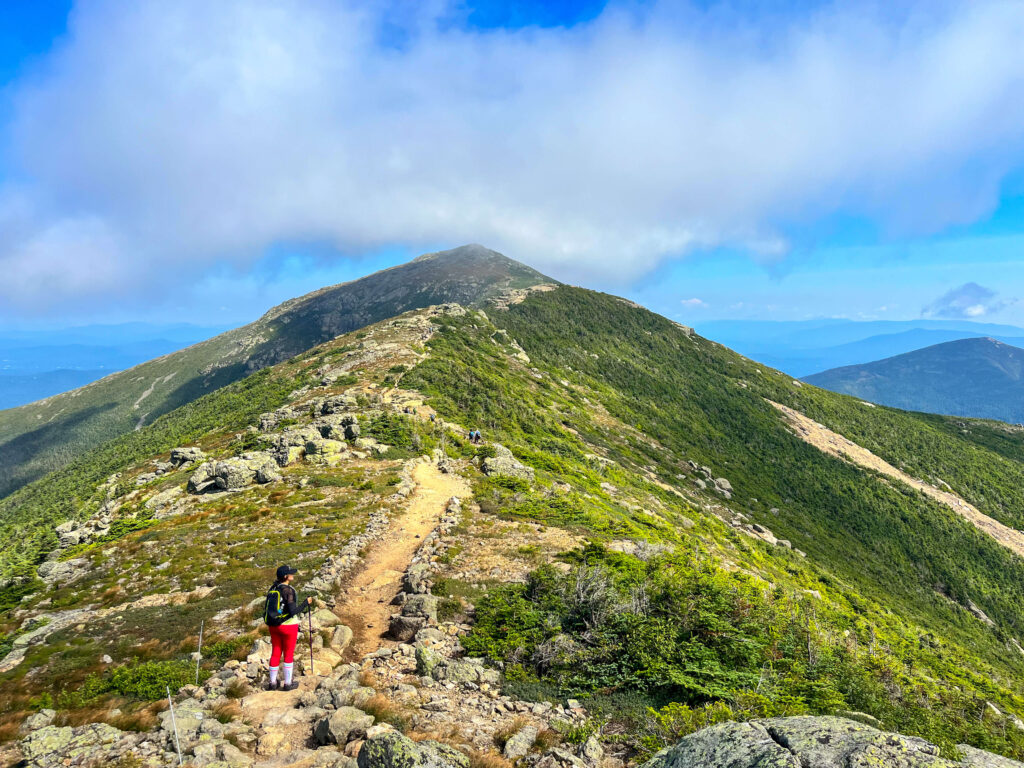
If I had to pick one hike that defines New England, this would be it. The Franconia Ridge Loop is a full‑day, 8.6‑mile adventure that strings together Mount Lafayette, Mount Lincoln, and Little Haystack like pearls on a granite necklace. You start in the trees, but before long you pop above them and spend hours in open sky. When clouds brush past, you can feel them cool your face. The weather changes fast up here, so I always double‑check the forecast and start early. On a crystal‑clear day, it’s magic — pure and simple.
- Region: White Mountains
- Distance: 8-9 miles
- Journal Notes: Long but doable, and you’ll sleep well that night.
Jordan Pond Path, Maine
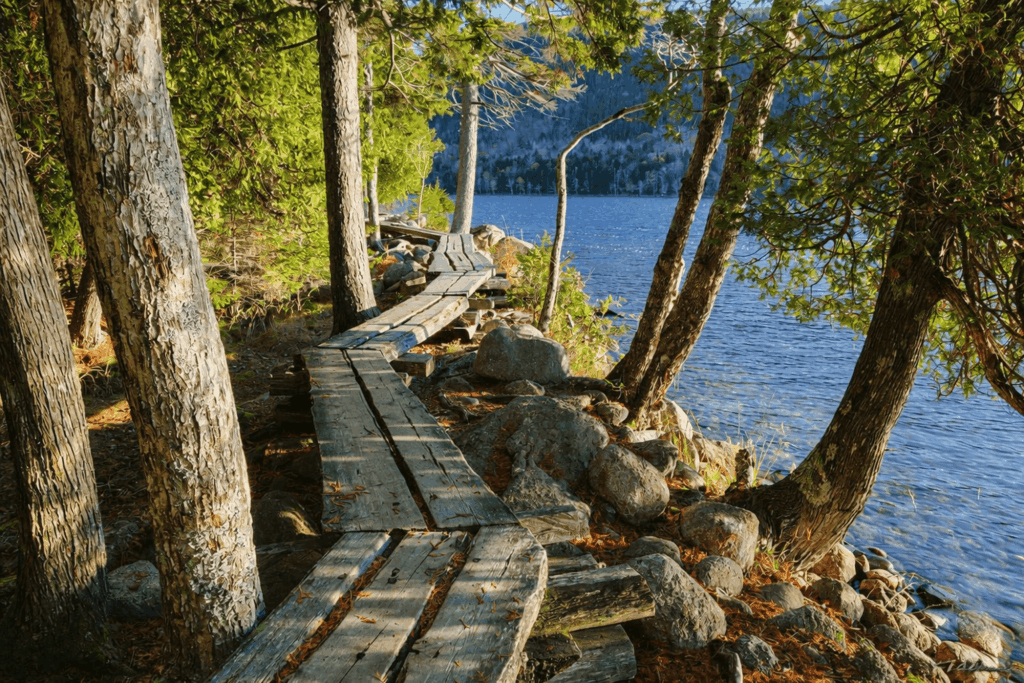
Inside Acadia National Park lies one of my most restorative short hikes. The Jordan Pond Path circles the calm, crystal-clear water at the base of the Bubbles Mountains. At 3.2 miles, it’s as gentle as hikes come, yet offers views that make you linger. Families, photographers, and Sunday walkers all find something to love here, often finishing with popovers at the Jordan Pond House. I keep a trail map handy to avoid wandering onto one of the tempting offshoots that loop further into the woods.
- Region: Acadia National Park
- Distance: 3.2 miles
- Journal Notes: Mostly level trail; great introduction to Acadia if you’re short on time.
Mount Washington, New Hampshire

Mount Washington commands respect. At 6,288 feet, it tests your endurance as well as your gear. The Tuckerman Ravine Trail is steep, rewarding, and occasionally humbling. I’ve started hikes on bluebird mornings that turned into wind-whipped fog by mid-afternoon. Reaching the summit and looking out over the Wildcat Range always feels like standing on the grand balcony of New England itself. There’s a reason it’s legendary among hikers and meteorologists alike.
I did another piece devoted to the White Mountains if you want more details on the area.
- Region: White Mountains
- Distance: 8-9 miles
- Journal Notes: Extremely strenuous; the auto road or cog railway offer alternate returns.
Mount Mansfield, Vermont
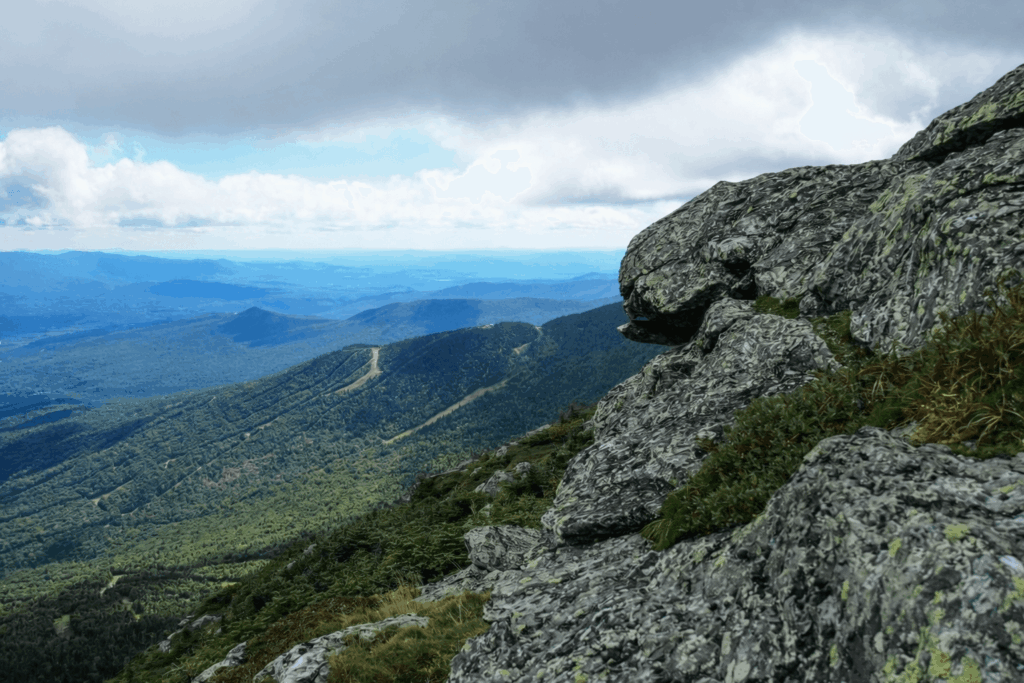
I have a soft spot for hiking Vermont’s highest point. The Sunset Ridge Trail up Mount Mansfield feels like a greatest-hits album of New England hiking. Forest at first, then rocky open stretches, then wind-kissed alpine ridge. Catch it in late September and you’ll look out over a thousand shades of red and gold. Once you descend, Burlington isn’t far, and that means good coffee and excellent pizza to celebrate.
- Region: Vermont, Green Mountains
- Distance: 6-7 miles
- Journal Notes: Best done late summer to avoid early snow patches on the ridge.
Rattlesnake Mountain, Connecticut
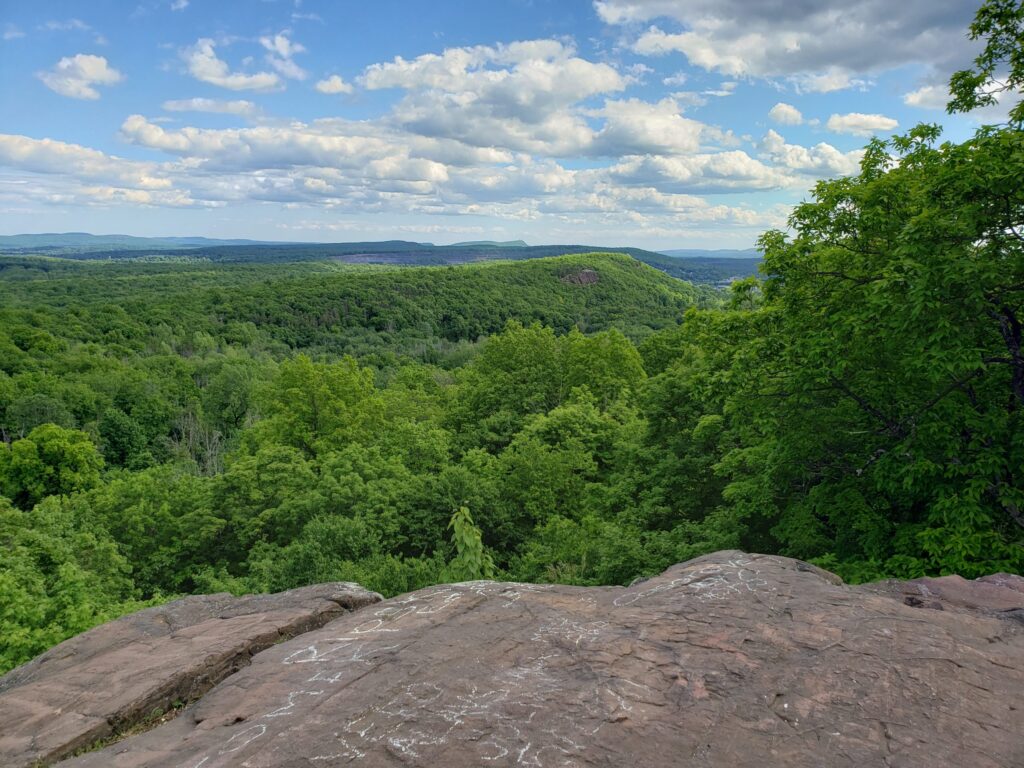
Rattlesnake Mountain delivers big views from a relatively small hike. Around three miles total, the trail winds through pleasant forests and ends with a lookout toward the Farmington Valley. On weekends, you might share the path with families exploring old stone foundations or trail runners sneaking in a quick workout. It’s a great one for beginners or a spontaneous afternoon break. Bring bug spray once the warm weather hits.
- Region: Connecticut, Hartford Metro
- Distance: 3 – 3.5 miles
- Journal Notes: Family‑friendly; history buffs will enjoy remnants of old stone foundations.
Cadillac North Ridge Trail, Maine
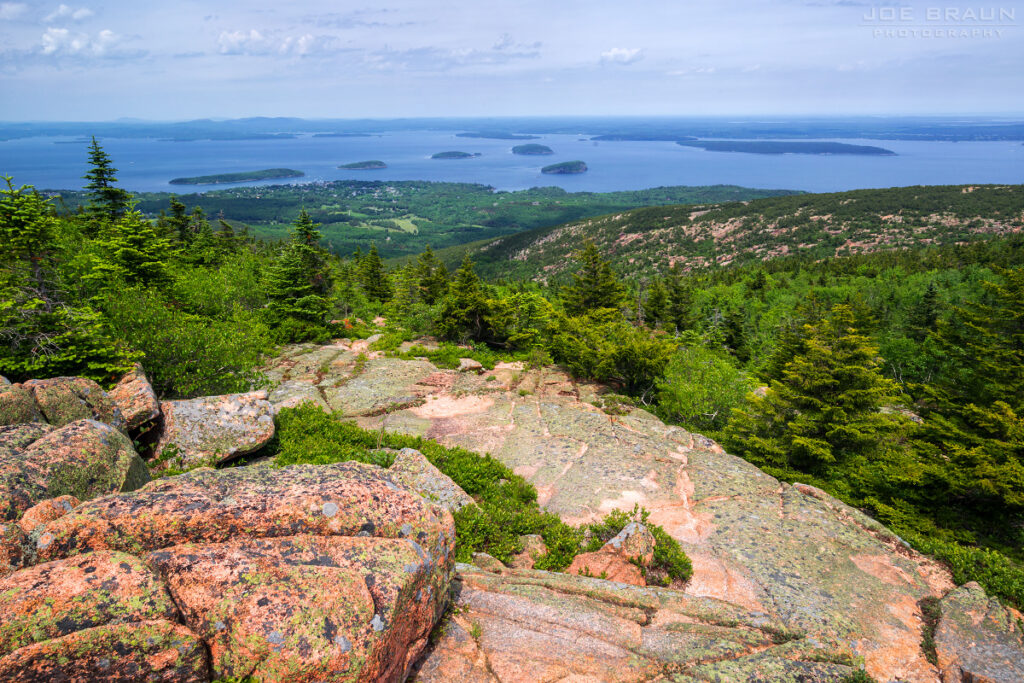
The Cadillac North Ridge Trail is a crowd-pleaser that climbs Acadia’s highest summit. The 4.4‑mile route crosses granite ledges and spruce woods before revealing expansive views of Frenchman Bay. I love starting this hike early so I can have a quiet few minutes at the top before the steady line of sunrise viewers arrives. Each visit makes me appreciate how the ocean and mountains coexist so gracefully here. This is my go-to hike anytime I visit Maine.
- Region: Maine, Acadia National Park
- Distance: 4-5 miles
- Journal Notes: Moderately steep; popular sunrise start.
Camel’s Hump, Vermont
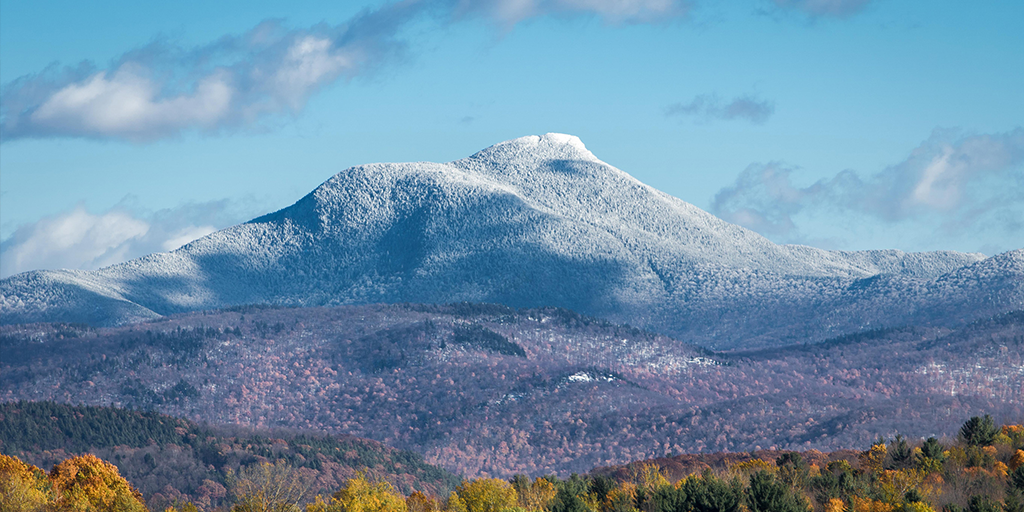
If you’ve ever looked at a Vermont map, you’ve seen Camel’s Hump’s curved silhouette emblazoned on the state insignia. The 6.2‑mile hike to the summit is steep but completely worth it. I often go in fall when the birches and maples paint the valley below in bold colors. The trail starts mellow, then emerges onto open rock with 360‑degree views that make you reluctant to leave. On clear days, you can even spot Mount Mansfield in the distance. You can still hike it in winter with snowshoes or crampons and the right gear.
- Region: Vermont, Green Mountains
- Distance: 6 miles
- Journal Notes: Expect crowds on weekends. Snowshoes recommended November–March.
Alander Mountain, Massachusetts
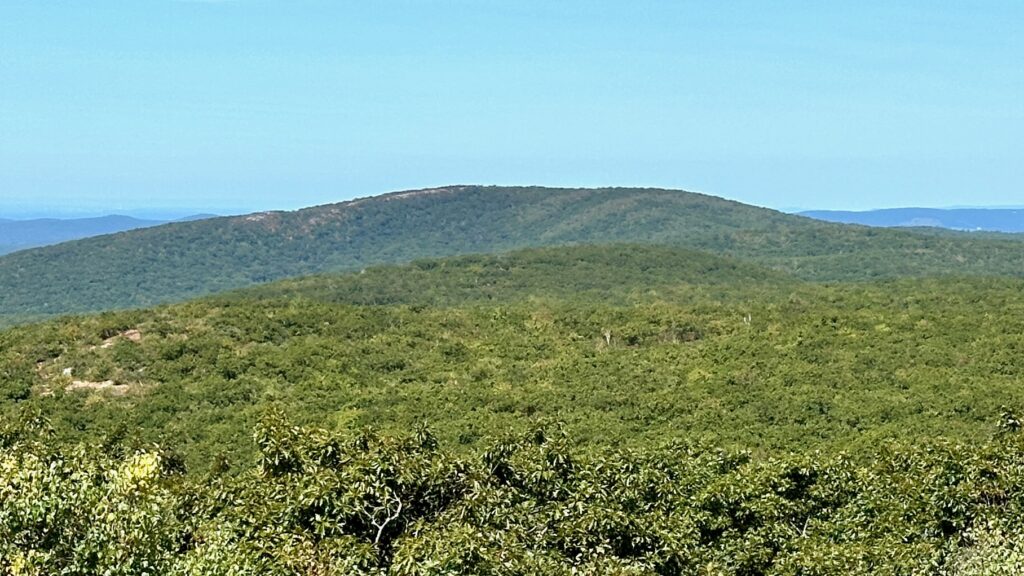
Alander sits quietly in the southwestern corner of Massachusetts, and I love that most people have never heard of it. Depending on your chosen route, it can be a light four-mile outing or a full eight. The path meanders through peaceful woods and eventually reveals a rocky summit with far-reaching Taconic Range views. If you catch it during peak foliage, you’ll feel like you accidentally wandered into a painting.
- Region: Massachusetts, Berkshires
- Distance: 4-8 miles
- Journal Notes: Bug spray mandatory in early summer. Add nearby Bash Bish Falls for a waterfall detour.
Kent Pond via the Appalachian Trail, Vermont

Some hikes are about peace more than accomplishment. The stretch of the Appalachian Trail around Kent Pond near Killington is one of those. It’s roughly four miles if you do the loop, though you can easily make it longer if the mood strikes. I like starting early before the mist has risen off the water. The pond reflects the rolling hills like a mirror in autumn, and it’s blissfully quiet. Afterward, a stop in Killington for food feels like the perfect finish.
- Region: Vermont, Green Mountains
- Distance: 4 miles, or as long as you want to make it
- Journal Notes: Great fall color hike. Add as much distance to it as you want by hiking the AT. If you do, recommend heading in the direction of Green Gate Road.
Finding Your Perfect New England Trail
When I help friends pick their first New England hike, I always start with one simple question: what kind of scenery makes your heart race?
If it’s ocean waves and gulls, aim for Maine’s coast. For dramatic summits, chase the Whites. Want forest solitude or lake reflections? Vermont, Massachusetts, and Connecticut will fit you perfectly.
Trail Types at a Glance
In New England, I divide the trails into a few categories:
- Coastal Trails: Gentle paths with ocean views, like Maine’s Marginal Way or Rhode Island’s Cliff Walk. Ideal for relaxed walking and salty air.
- Mountain Trails: Rugged ascents in the Whites or Greens, worth it for jaw-dropping vistas.
- Forested Trails: Cooler, shaded routes such as Connecticut’s Nassahegon State Forest paths. Watch out for springtime bugs.
- Lakes & Rivers: Tranquil walks like Maine’s Kennebunk River Trail or Vermont’s Kent Pond loop.
- Appalachian Trail: Legendary footpaths connecting New England’s finest terrain across state lines.
FAQs About Hiking in New England
1. When is the best time to hike in New England?
Late May through mid‑October is prime time. Spring brings wildflowers and waterfalls, while fall delivers those famous colors. For winter adventures, stick to lower elevations unless you have proper gear.
2. How busy are the popular trails?
Expect crowds on famous routes like Franconia Ridge or Cadillac Mountain, especially weekends. Start early, go midweek, or explore lesser-known gems like Alander Mountain for more solitude.
3. What kind of gear should I bring?
Always pack layers, even in summer. Weather shifts quickly at altitude. Add sturdy footwear, water, a headlamp, and a real map (cell service can vanish quicker than you’d believe).
4. Are there good family-friendly trails?
Yes. Jordan Pond Path, Marginal Way in Ogunquit, and certain lake loops like Kent Pond work well for all ages. Many have picnic areas and rest stops nearby.
5. What new hikes are trending in 2026?
Trail chatter this year highlights the Baldface Loop in New Hampshire for adventurous day hikers, the Great Head Trail at Acadia for quick coastal views, and Mount Greylock Loop in Massachusetts for longer summit days with rich history.
6. Why does hiking here feel different from other regions?
It’s the combination of proximity, history, and variety. You can hike granite peaks in the morning, explore covered bridges by afternoon, and end your day with lobster. It’s impossible not to fall a little in love with this part of the country.
New England hiking isn’t only about reaching summits. It’s about quiet footpaths through beech groves, the sound of wind moving across ridge tops, and feeling at home in wild places that are never too far from a friendly inn or café. I’ve explored plenty of trails across the map, but these ones keep calling me back—each trail telling its own New England story, one step at a time.