

When exploring the great outdoors, the importance of wearing high quality footwear cannot be overstated. The right hiking boots provide comfort, safety, and protection from the elements. A good comfort level allows for extended endurance during your hike and a more pleasurable experience overall. A durable, intelligent design helps protect you from sharp sticks, rocks, slick terrain, and injury causing slips. Quality materials and waterproofing keep your feet free from excess dampness and irritating plants. To truly enjoy a long hike through the untamed wilderness, you must pick the correct footwear for the job.
So as a hiker or backpacker, how do you choose the perfect pair? There are plenty of manufacturers and suppliers ready to take your money, so it pays to be prepared. This guide helps narrow your decision by highlighting our current favorite hiking boots for different use cases. These picks offer the core features that matter most: comfort, durability, traction, and protection. We also take into account style, quality, and fit. Whether you are heading out for casual day hikes or tackling long backpacking trips, this list will help you find the right boots for your next outdoor adventure.
Quick Picks: Best Hiking Boots for 2026
Hiking Boot Use
| Our Pick | Why We Like It |
Beginners and Casual Hikers | Affordable, comfortable, good everyday versatility | |
Hot weather and lightweight hiking | Extremely breathable and light, great for summer hikes | |
Wide feet | Roomy toe box, reliable support, durable build | |
Wet and muddy terrain | Salomon X Ultra 4 Mid GTX | |
Plantar fasciitis support | Outstanding cushioning and underfoot support |
Best Hiking Boots for Beginners and Casual Hikers
Timberland Mt. Maddsen Mid Waterproof
Timberland, a Boston based company, has been making reliable outdoor footwear for decades. Their boots are especially popular with casual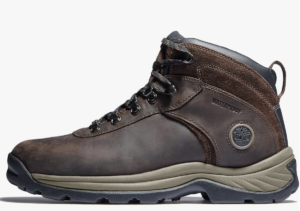 hikers and people who want a versatile boot they can wear both on the trail and around town.
We are big fans of the Mt. Maddsen line. These boots offer strong value for the price and include the TimberDry waterproof membrane, which is made with recycled plastic bottles. They are designed for efficient movement, which makes walking feel more natural and less fatiguing over long distances. The cushioning and mid height support provide enough stability for most day hikes without feeling bulky or stiff.
As a bonus, this boot looks good enough to wear off the trail. If you want one pair of boots that can handle light hikes, travel, and everyday use, this is a solid choice.
View current pricing and availability for the Timberland Mt. Maddsen Mid Waterproof.
Best Hiking Boot for Hot Weather
Altra Lone Peak Hiker 2
When hiking in warm weather, breathability becomes just as important as waterproofing. Sweaty feet lead to discomfort and blisters, even if your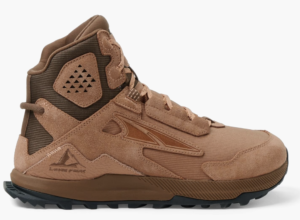 boots technically keep water out. This is where lightweight, highly breathable designs shine.
If you will not be hiking on highly technical or ankle twisting terrain, a lightweight hiker like the Altra Lone Peak Hiker 2 is an excellent option. This boot takes the popular Lone Peak trail running platform and adds ankle support and durability. The result is a boot that feels light and agile while still offering more protection than a traditional trail runner.
The wide toe box allows your feet to spread naturally, which helps reduce hot spots and pressure on long hikes. The breathable upper and flexible feel make this one of the best choices for summer hiking, desert environments, and long days on dry trails.
Check the latest version of the Altra Lone Peak Hiker for current models and sizing.
Best Hiking Boot for Wide Feet
Keen Targhee IV Mid Waterproof
Keen has built a strong reputation for footwear that accommodates wider feet and offers a roomy toe box. This makes their boots a great option for people who struggle with narrow or cramped designs.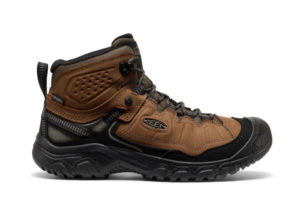
The Targhee IV Mid Waterproof is a dependable, all around hiking boot built for rugged trails and long days. The outsole provides confident traction on loose dirt and rocky terrain, while the midsole offers stable cushioning for carrying moderate loads. The waterproof membrane keeps your feet dry in wet conditions without feeling overly stiff.
Even hikers with average width feet often appreciate the comfort of the Targhee fit. Constricting any part of your foot can lead to discomfort and fatigue, especially on long hikes. If you want a boot that prioritizes comfort without sacrificing durability, this one belongs on your shortlist.
See current deals and versions of the Keen Targhee IV Mid Waterproof.
Best Hiking Boot with Gore Tex for Wet Conditions
Salomon X Ultra 4 Mid GTX
For muddy trails, wet climates, and unpredictable weather, Gore Tex remains one of the most reliable waterproofing technologies available. The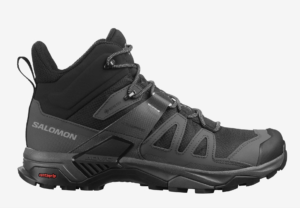 Salomon X Ultra 4 Mid GTX is a standout option for hikers who expect slick rocks, rain soaked trails, or stream crossings.
This boot offers excellent traction and stability while remaining relatively lightweight for its category. The chassis design helps guide your foot and reduce ankle rolling on uneven ground. The Gore Tex membrane does an excellent job of keeping water out, which makes this a strong choice for shoulder season hikes and trips where you expect consistently wet terrain.
One tradeoff with highly waterproof boots is reduced breathability. These boots are best suited for cooler temperatures and wet conditions rather than extreme summer heat. If traction and water protection are your top priorities, this is one of the best all around options available.
Check current availability of the Salomon X Ultra 4 Mid GTX.
Best Hiking Boot for Plantar Fasciitis
HOKA Kaha 2 GTX
Plantar fasciitis often requires extra cushioning, strong arch support, and a stable platform. Flimsy or poorly cushioned footwear can make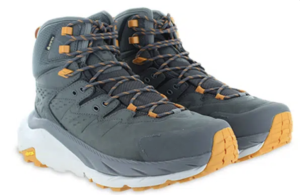 symptoms worse over time. The HOKA Kaha 2 GTX is one of the most comfortable hiking boots available for people who need additional underfoot support.
This boot features thick cushioning that helps absorb impact and reduce strain on the plantar fascia. The rockered sole design also encourages a smoother stride, which many hikers with foot pain find helpful. Despite the plush feel, the boot remains stable and supportive, even on uneven terrain.
As with any foot condition, severe cases should be evaluated by a medical professional. Custom insoles can further improve comfort and support. If plantar fasciitis has limited your ability to hike comfortably, this boot is one of the best places to start.
View the latest HOKA Kaha GTX models and sizing options.
How to Choose the Right Hiking Boots
After years of trial and error on the trail, I have learned that choosing the right hiking boots has far less to do with brand names and far more to do with how and where you actually hike. Before you buy, take an honest look at the kind of terrain you spend most of your time on. Rocky, uneven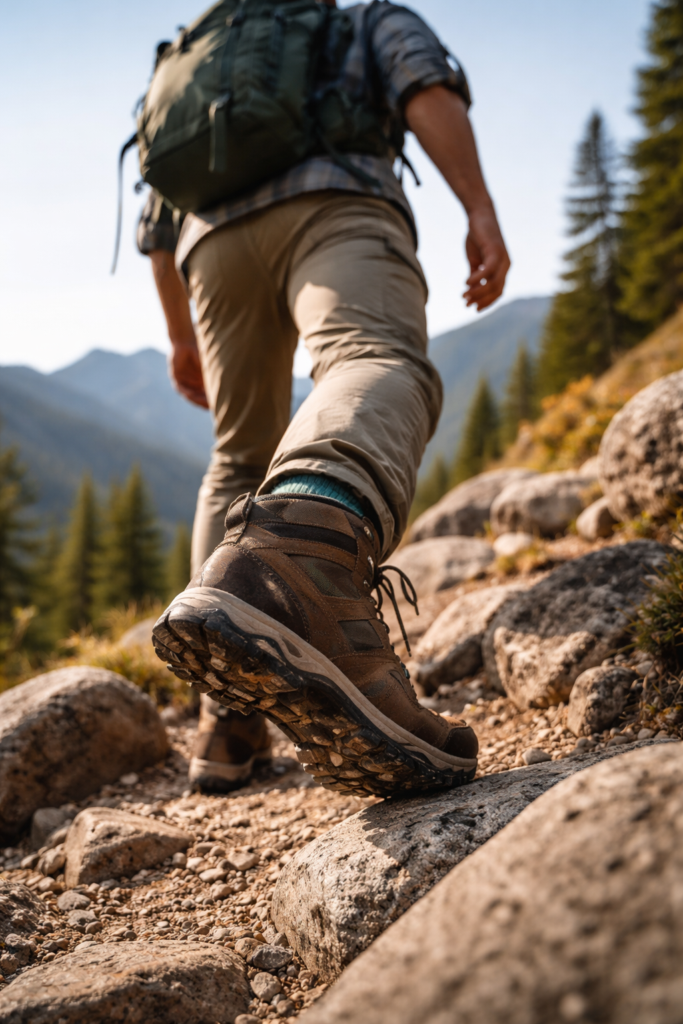 trails and steep descents demand more support and better traction than well maintained park paths or packed dirt trails. If you routinely find yourself scrambling over rocks or navigating loose gravel, sturdier soles and better grip are worth prioritizing.
Climate matters more than most people expect. In wet or muddy environments, waterproofing can be the difference between an enjoyable hike and a long, soggy slog back to the car. On the other hand, in hot and dry conditions, breathability becomes critical. I have learned the hard way that overly waterproof boots can feel like little ovens in summer heat. Think about where you hike most often and choose accordingly.
Pack weight also changes what your feet will tolerate. If you are carrying a light day pack, you can usually get away with lighter, more flexible boots. Once you start carrying extra water, camera gear, or overnight supplies, your feet and ankles will appreciate a more supportive platform. The extra structure may feel unnecessary at first, but it pays off late in the day when fatigue sets in.
Fit is where most people go wrong. Toe room, heel security, and overall comfort will matter far more over time than whatever logo is on the side of the boot. If your toes feel cramped in the store, they will feel miserable after a few miles on the trail. Your heel should feel locked in without rubbing, and the boot should feel supportive without pressure points. No boot, no matter how well reviewed, is worth suffering through if it does not fit your foot shape.
Finally, think about your hiking style. Casual day hikers can often go lighter and more flexible. Backpackers and people who tackle long, technical routes will usually benefit from added stability and protection. There is no single perfect boot for everyone, only the right boot for how you hike.
One simple tip that has helped me avoid bad purchases is trying boots on later in the day. Your feet naturally swell as the day goes on, especially after walking or standing. If the boots still feel comfortable in the afternoon, they are far more likely to feel good after several hours on the trail.
Frequently Asked Questions
Should hiking boots be waterproof or breathable?
If you hike in wet climates, muddy trails, or snow, waterproof boots are worth it. In hot, dry climates, breathability often matters more for comfort.
How long do hiking boots usually last?
Most quality hiking boots last between 500 and 1,000 miles, depending on terrain, pack weight, and how often they are worn off the trail.
Do hiking boots need to be broken in?
Yes. Even modern boots benefit from a short break in period. Wear them on short walks before committing to long hikes.
Are hiking boots better than trail running shoes?
Boots offer more protection and support, especially with heavier packs. Trail runners are lighter and cooler but provide less stability.
How should hiking boots fit?
Your toes should have room to wiggle, your heel should not slip, and there should be a small amount of space in front of your longest toe.
Choosing the right hiking boots can make the difference between a great day on the trail and a miserable one. The models listed above represent some of the best options available today for a wide range of hiking styles and conditions. With the right pair on your feet, you can focus on enjoying the scenery instead of thinking about your footwear.