
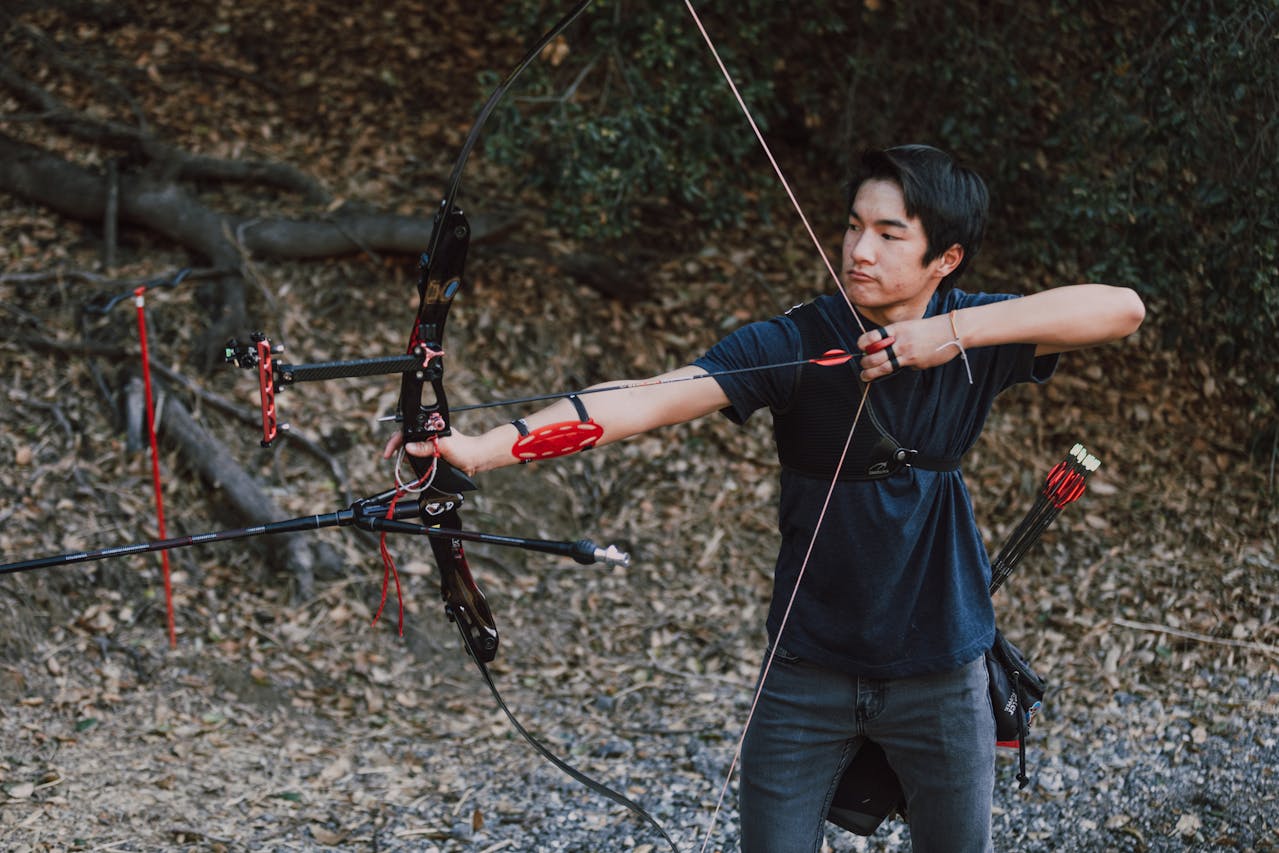
The bow and arrow played a big part in human history. From being used as a strategic battle weapon to being a life changer for hunters, it has stamped itself as a versatile and enduring tool.
Nowadays, it isn’t used as a weapon during wars, but the bow lives on as one of the world’s favorite pieces of recreation and hunting equipment. It’s seen everywhere from youth summer camps and bustling archery ranges to high-level tournaments and backcountry hunts. More than 3 million Americans bowhunt each year, and participation continues to grow as people look for cleaner, quieter, and more traditional sporting experiences.
Archery has also become a major international sport. Even people who have no intention of ever hunting are drawn to its meditative focus and satisfying challenge. The Vegas Shoot, for example, remains the biggest indoor archery event in the world, regularly bringing together more than 4,000 competitors from over 50 countries. Archery is also part of the Summer Olympics, where recurve precision draws global audiences.
To help you see which bow might fit your purpose or simply satisfy curiosity, let’s look at the most common types of bows, how they work, and what they are best used for.
Quick Comparison of Common Bow Types
Bow Type | Typical Use | Shooting Range | Price Range | Skill Level | 2026 Favourite |
Recurve Bow | Training, target practice, traditional archery | 10–60 yards | $100–$400 | Beginner to Intermediate | Galaxy Ember 62" |
Compound Bow | Hunting, competition, precision target shooting | 20–80 yards | $400–$1,500+ | Intermediate to Advanced | Hoyt Torrex XT |
Crossbow | Hunting, tactical precision, adaptive archery | 50–100 yards accurate; up to 500 yards range | $250–$1,000 | Advanced | Ravin R10X Gen2 |
Longbow | Traditional target and field archery, collectors | 20–80 yards | $150–$500 | Beginner to Traditionalist | Bearpaw Slick Stick Deluxe |
What Is a Bow?
A bow and arrow is a short-range projectile weapon first used more than 60,000 years ago in South Africa. Although primitive by modern standards, the principle hasn’t changed much.
A bow is an arched strip of material with loops on each end that hold a taut string. The arrow is “nocked,” meaning it clips onto the string at a small notch. When pulled back (the draw) and released, stored energy transfers to the arrow, sending it forward at surprising speed.
Depending on the bow’s design and power, arrows can fly anywhere from 10 to 500 yards, though the most accurate shots are at shorter distances.
Accuracy doesn’t come easy. It takes patience, consistent practice, and knowledge of form to hit targets reliably. Even something as small as finger pressure or uneven footing can change where your arrow lands. As every archer will tell you, it’s part gymnastics, part meditation, part science.
Types of Bows
Recurve Bow
Dating back thousands of years, the recurve bow is the quintessential beginner’s bow and the most universal starting point. The outer tips curve slightly forward toward the target (hence the name “recurve”), creating a springier limb design that stores more energy for its size. If a child takes an archery course at a summer camp, the odds are they will be using a recurve bow.
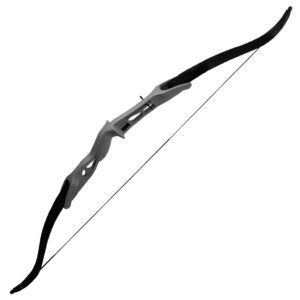
If you or your child has ever attended a summer camp archery program, there’s a good chance you learned on a recurve. It’s light, straightforward to maintain, and wonderfully simple for understanding the mechanics of archery.
Recurves are best at close to medium ranges. Since the power depends on your arm strength and draw length, it teaches technique, rhythm, and focus. The learning curve rewards persistence.
Recommended For: Beginners, family practice, targets, and traditional enthusiasts.
2026 Favorite Example: The Galaxy Ember 62″ Recurve is a favorite among new archers. It’s light, durable, and delivers very smooth draws without vibration. You can even swap limbs as your skill develops, keeping the same riser but upgrading as you progress.
Price Range: Around $180–$220 for a well-made starter model.
Compound Bow
The compound bow revolutionized modern archery. Using a system of cams, cables, and pulleys, it stores immense energy while easing the strain on the archer during full draw. This mechanical advantage means arrows can fire up to 350 feet per second or more with impressive accuracy.
Where traditional bows rely solely on human strength, the compound design multiplies it through clever engineering. Hunters especially appreciate its power and the ability to hold full draw for a few extra moments while lining up a clean shot.
Customization is another major appeal. Modern compound bows can mount pin or digital sights, stabilizers, peep sights, rests, silencers, and even Bluetooth-based shot recorders for training.
Recommended For: Hunting, long-range target shooting, and those who enjoy fine-tuning equipment.
2026 Favorite Example: The Hoyt Torrex XT continues to impress for its balance of value and high-end performance. It’s praised for a soft draw cycle and nearly zero hand-shock while still delivering strong arrow speeds for both deer and elk hunting.
Price Range: From $500 to over $1,500 depending on custom options.
Crossbow
A fascinating hybrid between a bow and a firearm, the crossbow combines the logic of the trigger with the energy of string propulsion. Instead of drawing and holding the string manually, the shooter cocks the bow and locks it in place until they pull a trigger. 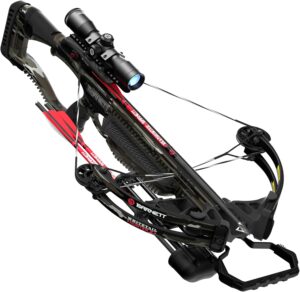
Though they may look futuristic, crossbows have existed for more than 2,500 years. Modern versions are marvels of engineering and popular among hunters who want a quieter, more tactical option.
Many states in the U.S. have opened full-length archery seasons to crossbows, leading to a surge in ownership. Users enjoy their precision at longer ranges, which can exceed 100 yards with a properly sighted setup.
Recommended For: Hunting and precision shooting when you prefer mechanical stability.
2026 Favorite Example: The Ravin R10X Gen2 has earned rave reviews for exceptional balance, a compact frame, and blazing speed just under 420 feet per second. It is quieter than earlier generations and easy to cock and decock safely.
Price Range: Around $750–$900 for a full package including scope and bolts.
Longbow
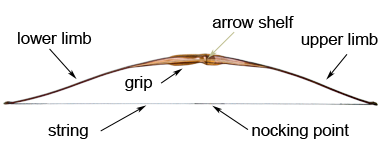
The longbow is the grandfather of them all, a design that helped shape centuries of warfare and sport. Characterized by its tall D-shaped profile, the longbow is usually crafted from a single piece of wood such as yew, hickory, or bamboo laminate.
It may not fling arrows as fast as a compound, but few bows can match the satisfaction of drawing and releasing one in silence. Modern archers appreciate its smooth draw, quiet release, and subtle nostalgia. A longbow will challenge your form and strength like no other.
Recommended For: Purists, historical enthusiasts, and anyone who values simple beauty in craftsmanship.
2026 Favorite Example: The Bearpaw Slick Stick Deluxe has become a go-to choice for traditional competition shooters. It’s elegant, smooth to draw, and looks like something straight from a medieval armory display.
Price Range: Typically around $300–$400 for hardwood craftsmanship.
Modern Archery in 2026
Archery’s popularity has been surging again, not only through hunting but through mindfulness and fitness communities. Many have compared target practice with archery to yoga for the outdoors. Recreational centers now offer “focus range sessions” and even indoor simulated bowhunting leagues.
Technological innovations continue to shape bows, from vibration-dampening materials to carbon composite limbs that resist temperature changes. Meanwhile, smartphone-connected sensors help track draw length, arrow speed, and hit ratios. Even so, the timeless appeal of drawing a simple bow remains unchanged.
Bow FAQs
Which bow is best for beginners?
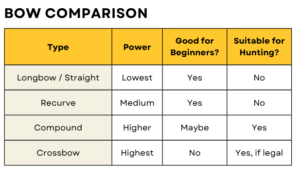
A recurve or longbow remains the most accessible starting point. Recurves offer instant feedback so you can learn proper posture and release. Longbows reward those who prefer a smooth, classic shooting experience. Lightweight composite recurves like the Galaxy Ember or the Samick Sage 2.0 are ideal first choices.
Which bow is best for hunting?
Compound bows dominate hunting seasons because of their power and accuracy. The Hoyt Torrex XT, Bowtech Carbon One, and Mathews LIFT 29.5 have all been standout performers for hunters in 2026. Crossbows can also be effective where allowed by state laws.
Are bows capable of being lethal?
Yes, and safety should always come first. Every bow type can cause serious injury if handled carelessly. Always use proper backstops when practicing, keep arrows pointed downrange, and review local ordinances before hunting or target practice.
What is the proper way to maintain a bow?
Regularly inspect strings for fraying, wax the bowstring every few sessions, tighten limb bolts, and store your bow in a temperature-stable case. For wooden longbows, light oiling once or twice a year keeps the grain healthy. Avoid leaving any exposed bow in a hot car or damp area.
How do I reduce noise from a bow?
For compounds and recurves, limb dampeners and rubber-string silencers can significantly reduce vibration noise. For crossbows, small rail pads and updated limb bumpers do the trick. Keeping the bow properly tuned also keeps it quiet.
What draw weight should beginners start with?
For recurve or longbow shooters, 25–30 lbs is a good start for adults and 15–20 lbs for younger shooters. Compounds can be used around 40–50 lbs to begin, since the let-off from the cam system reduces holding strain.
How do I hunt with a bow responsibly?
Every state has unique regulations regarding licensing, equipment, and hunting seasons. Always check them before heading out. Respect private property, track your shots ethically, and prepare by practicing in realistic conditions.
What major changes are trending for 2026?
Integrated smart sights that measure arrow trajectory and environmental data are gaining attention in archery circles. Also, modular bows with interchangeable limbs let shooters switch from light target setups to powerful hunting limbs without changing risers.
Archery stands as one of the few ancient skills that thrives in the digital era. Whether for quiet target rounds in your backyard or exciting competition at full range, the bow links past and present through precision, patience, and a steady hand.






Love this post! As an archer myself, it’s great to see the different types of bows and their unique characteristics. The grip type especially caught my attention, as I’ve never really thought about how important it is in determining the comfort and control of the bow. Can’t wait to try out some of these different types and see which one works best for me!