
Mendocino National Forest is an impressively large wilderness area in the northern part of California. It spans more than 900,000 acres across rugged mountains, oak woodlands, and pine forests. The forest is a haven for outdoor enthusiasts who crave adventure with a dose of solitude. Unlike most California national forests, this one has no major paved road cutting through it, which gives visitors a true sense of escape.
Quick Facts
Category | Details |
Location | Northern California, between I‑5 and the Pacific Coast Highway |
Size | Over 900,000 acres (about the size of Rhode Island) |
Main Access Points | Upper Lake, Covelo, Stonyford |
Best Time to Visit | Late spring through early fall (May–October) |
Activities | Hiking, camping, fishing, boating, off‑roading, horseback riding |
Elevation Range | Approx. 750 to 8,000 ft |
Closest Major Towns | Willows, Ukiah, Upper Lake |
A Forest of Many Landscapes
Stretching more than 60 miles north to south and roughly 25 miles wide, Mendocino National Forest sits at the northern end of California’s wine country. Its position away from big cities gives it a peaceful, uncrowded feel. You’ll find alpine meadows, chaparral hillsides, and lush river valleys that change dramatically with the seasons.
Visitors often come here for hiking, but that’s just one piece of the story. With 150+ miles of trails, scenic byways, lakes, and a handful of remote camps, Mendocino is the kind of place that rewards curiosity.
Hiking
The hiking at Mendocino National Forest remains one of California’s most underrated outdoor experiences. Many travelers spend weeks planning trips to Yosemite or Tahoe and overlook the solitude of this lesser‑known gem. With more trailheads than traffic lights, it’s hard to go wrong.
Here are three standout areas, plus one newer favorite for 2026 that locals rave about:
Snow Mountain Wilderness

Snow Mountain Wilderness offers one of the forest’s most iconic alpine climbs. The loop from the Deafy Glade Trailhead to the summit runs roughly 10 miles and takes 6–8 hours. Expect steep terrain and dazzling views stretching to Mount Shasta on clear days. This trail recovered beautifully after recent restoration projects and is still one of the best conditioning hikes in Northern California. You will want to be in good hiking shape for this one, and have the right gear to avoid hiking injuries.
Yuki Wilderness
A moderate trek winding along the Middle Fork of Stony Creek, Yuki Wilderness suits both hikers and trail runners. The 6‑mile path offers cool creek crossings and shady spots perfect for lunch breaks. In spring, wildflowers line the way. This can be a nice one for a hard trail run if that is your thing.
Sanhedrin Wilderness
This 8‑mile ridge trail follows old logging roads that have long reverted to mountain paths. You’ll get steady climbs, panoramic valley views, and plenty of sunshine. Bring extra water—shade can be scarce.
Hull Mountain Loop (2026 Favorite)
Recently gaining attention among Bay Area hikers, this loop combines forest roads and singletrack through mixed conifer woods. Starting near Lake Pillsbury, it climbs toward Hull Mountain’s summit. The payoff is a shimmering lake view that photographs never quite do justice.
Camping
Want to setup a tent, camp kitchen, and live outdoors for a couple days? Camping in Mendocino still feels delightfully rustic. Instead of packed campgrounds with crowds, you’ll find open skies, quiet forests, and the sound of distant rushing creeks. All campgrounds provide a picnic table, fire ring or stove, and restrooms, though not all have potable water, so bring your own or be ready to filter.
Top Spots
Lake Pillsbury Campground
Located on the lake’s east shore with 42 camp sites, this is perfect for families and boaters. Swim, paddleboard, or cast a line before sunset. Open May through October, depending on snowfall.
Howard Lake Campground
Perched at 6,200 feet among dense pine forests, Howard Lake Campground has 12 tidy sites and a small alpine lake for fishing. It reopens every year once snowmelt allows road access, usually by late May.
Hammerhorn Lake Campground
At 5,200 feet, this peaceful 16‑site area offers easy lake access for paddling, floating, or shore fishing. Its pine setting and star‑filled night skies are favorites for photographers and tent campers alike. A nice feature of this campground is the access to lots of paddling at Hammerhorn Lake.
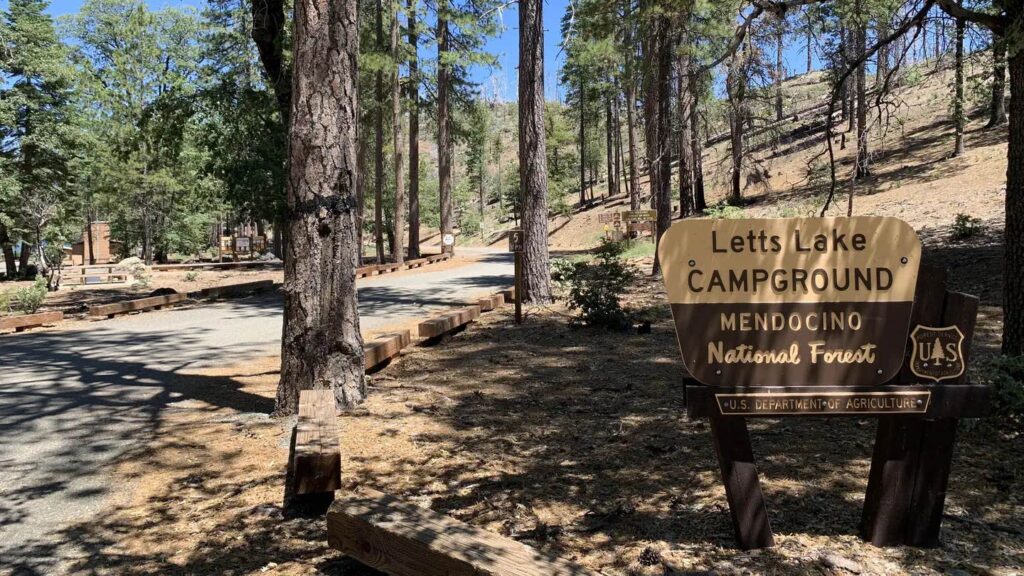
Letts Lake Campground (2026 Favorite)
Newer on the radar of car campers, Letts Lake offers spacious sites, clear water for swimming, and renovated restrooms. It’s also one of the most accessible for families driving in from Willows.
Fishing
The forest is quietly becoming a go‑to for anglers who prefer untamed water to stocked ponds. Most fishing happens around the Eel River system and its tributaries. Steelhead remain the prized catch, though rainbow trout and smallmouth bass are also common.
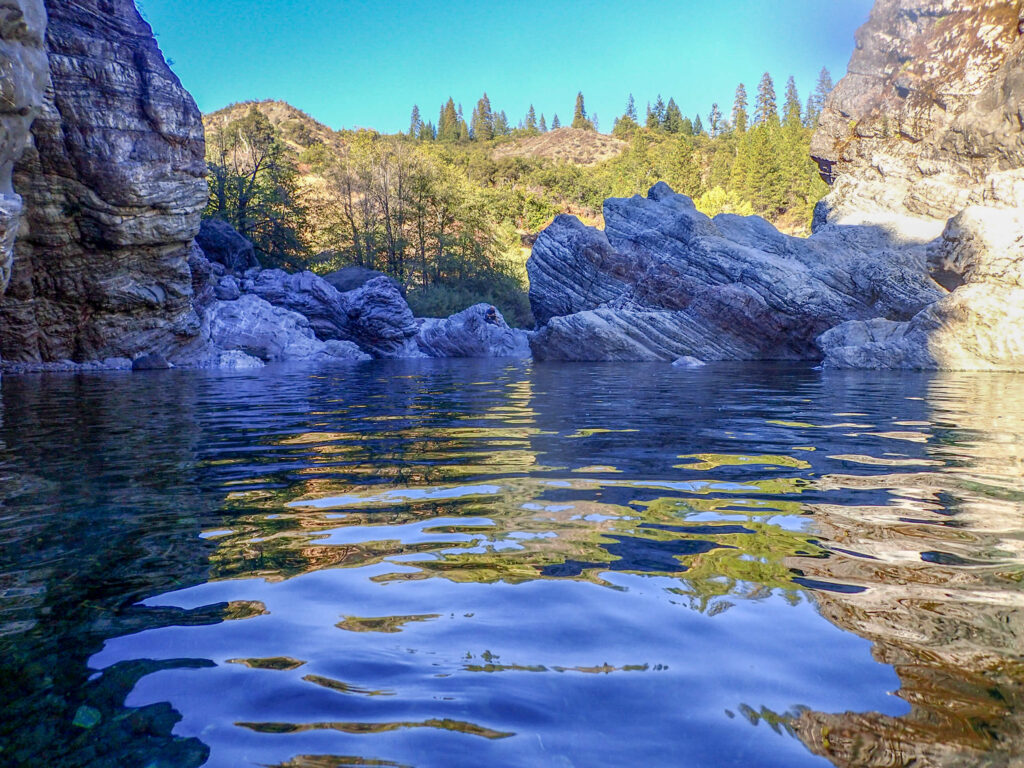
Eel River (Mainstem)
Classic fishing ground with good bank access and spots for wading.
Middle Fork Eel
Narrower, ideal for fly fishers seeking solitude.
Thatcher Creek
A hidden gem for patient anglers who like working smaller water.
Bring your California fishing license, and note that seasons vary—check current regulations before casting.
Scenic Drives
If you enjoy road tripping, Mendocino’s quiet roads deliver postcard views around every bend. Whether behind the wheel of a family car or cruising by motorcycle, the drives here capture California’s wild heart.
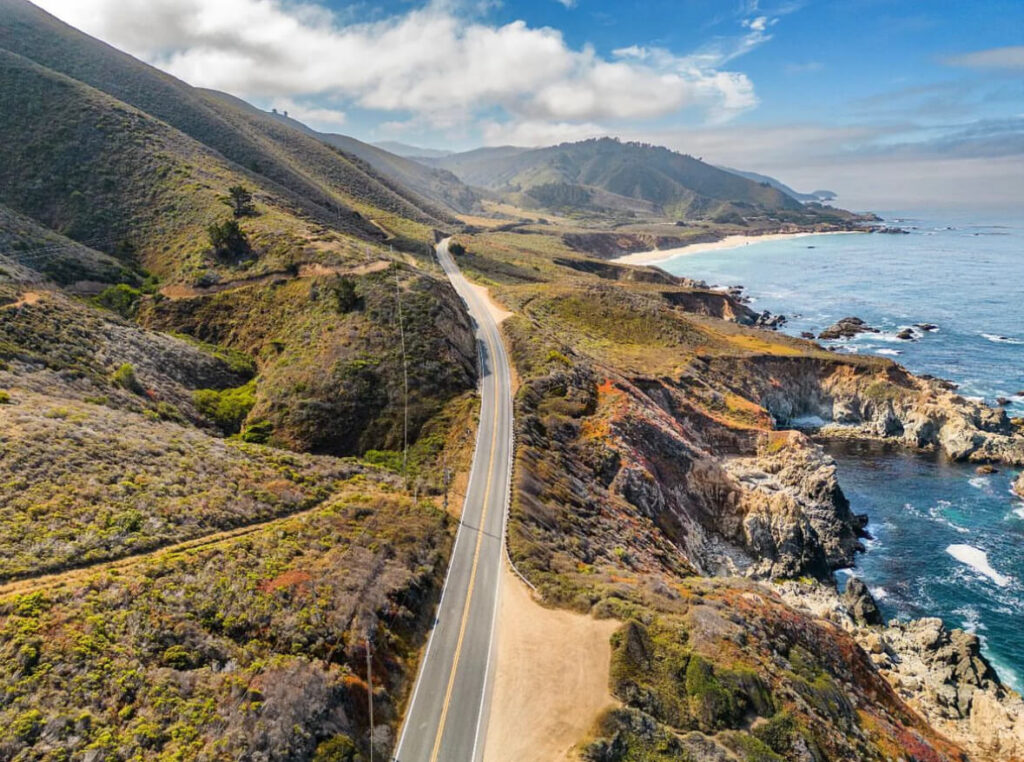
Mendocino Pass Road (FH1)
Paved and well‑maintained, this route crosses high ridges and gives you constant mountain and valley views. You’ll pass pullouts perfect for photography or short trail breaks.
Forest Highway 7
Rougher and unpaved, this road is suited to high‑clearance vehicles or adventurers with gravel bikes. It’s the gateway to some of the forest’s most remote campgrounds.
Travel tip: Always check for seasonal closures—storms can wash out sections, and road crews take their time up here.
Fire Lookouts

If you want a sweeping bird’s‑eye view of Mendocino’s wilderness, visit one of its classic fire lookouts. Set on mountain peaks, these stations are not just photo ops but working parts of the forest’s firefighting network.
Anthony Peak Lookout
Reaching 6,954 feet, Anthony Peak offers panoramic scenery across Snow Mountain Wilderness. Meet the summer fire ranger, and you might even hear stories of past lightning strikes and watch shifts.
Hull Mountain Lookout
Accessible by hike or dirt road, this lookout faces Lake Pillsbury and surrounding ranges. It’s a top choice for sunrise watchers and photographers chasing golden light.
Wildlife and Nature Watching
Mendocino is a living field guide. Deer are common, but patient visitors may spot black bears, golden eagles, river otters, and once in a while a majestic tule elk herd on the forest’s southern edge. Spring brings wildflowers; autumn ignites the maples and oaks. Keep binoculars handy—birders can rack up dozens of species before lunch.
Safety and Stewardship
Cell service is minimal in most parts of the forest, and GPS can be unreliable. Always download offline maps, notify someone of your route, and carry extra water and fuel. Fire danger can be high during dry months, so follow all posted restrictions. Practice Leave No Trace principles and pack out what you bring with you.
FAQs About Visiting Mendocino National Forest
1. When is the best time to visit?
Late May through October usually has the mildest weather and full campground access. Winter brings limited road openings but great solitude.
2. Is the forest pet‑friendly?
Yes, leashed dogs are welcome on most trails and campsites. Keep water handy for pets and watch for ticks in summer.
3. Do I need a permit?
Day hiking and camping typically require no permit in developed campgrounds, but backcountry or dispersed camping may. Check with the Mendocino National Forest Ranger District before heading out.
4. Are there off‑road or OHV areas?
Absolutely. The Upper Lake and Stonyford districts have extensive designated OHV trail networks for motorcycles, ATVs, and 4WD vehicles.
5. Can I swim or boat in the lakes?
Yes, Lake Pillsbury and Letts Lake are popular for swimming, paddleboarding, kayaking, and small motorboats.
6. What should I bring?
Water, sun protection, sturdy shoes, and printed maps are essentials. Nights can get surprisingly cold even in summer.
Final Thoughts
Mendocino National Forest remains one of California’s great open secrets. It’s vast, peaceful, and full of surprises—from forgotten trails to clear mountain lakes. Whether you’re pitching a tent by Hammerhorn, chasing trout in the Eel, or watching the sunset from Anthony Peak, the forest gives back exactly what you put in: simplicity, adventure, and the quiet satisfaction of being a tiny human in a very big landscape.